
Furnace Pros Idaho logo Furnace Pros Idaho
Get Estimate

Furnace Tune-Up in Idaho keeps your heat running

State-wide furnace service built for Idaho winters


A Furnace Tune-Up in Idaho is the cheapest insurance your heating system will ever get. We clean the burners, test the safety controls, and catch small failures before they strand you at 10 degrees. Whether you heat with an older Carrier in Burley or a high-efficiency Trane in Rexburg, our technicians tune it to run clean, quiet, and efficient all season. Fall slots fill fast, so book early.

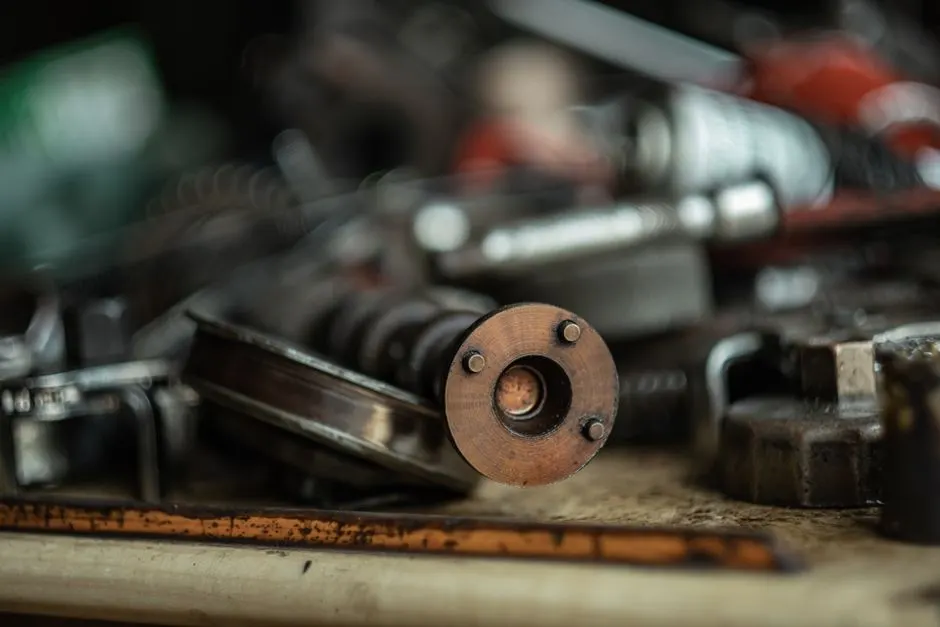
Detailed view of metal components in an automotive workshop. Focus on a cylindrical piece.
Licensed Licensed & Bonded
Fully Insured Insured & Bonded
24/7 Emergency Same-Day Response
Warranty Backed Workmanship Guaranteed

What is included in a Furnace Tune-Up

Every tune-up follows the same 22-point checklist, whether you are in a Boise bungalow or a ranch house outside Dubois. Cleaning, testing, and adjustment are included. Parts that fail are quoted separately, and you approve before we install anything.

Burner and heat exchanger cleaning

We pull the burners, brush the heat exchanger tubes, and vacuum the combustion chamber. This restores proper flame shape and lets us see cracks or soot that signal a bigger problem. Most furnaces we open have never been cleaned this deep.
Safety control testing

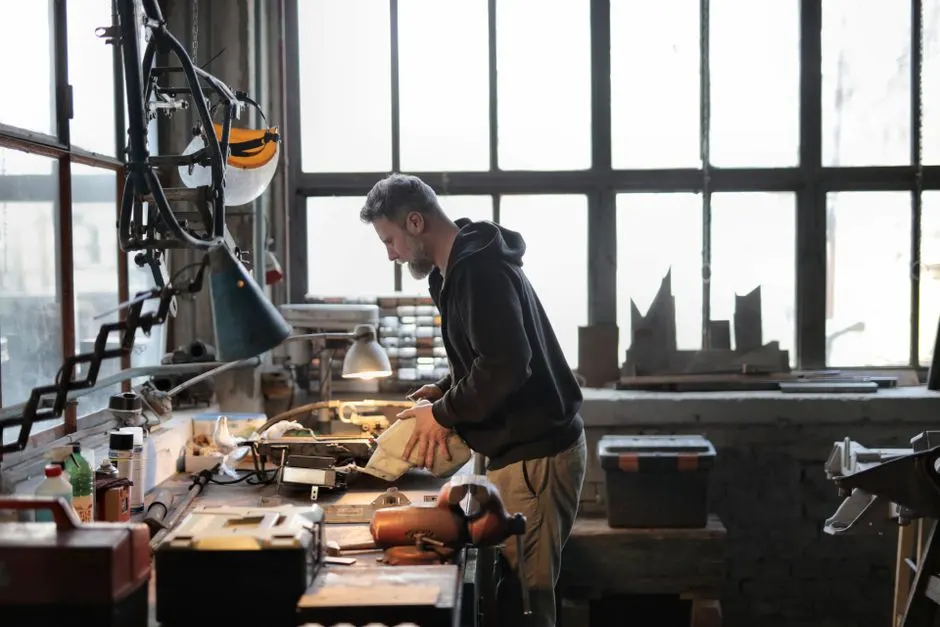
The thermocouple, flame sensor, limit switch, and rollout switch all get tested for correct trip points. A limit switch that fails closed can overheat the unit; one that fails open leaves you with no heat. We verify both directions before we sign off.

Combustion and temperature rise check

A combustion analyzer reads your flue gases for CO and CO2, and we measure temperature rise across the heat exchanger. Both numbers should match the data plate. If they do not, we adjust gas pressure or blower speed to bring them back in spec.

Electrical and motor inspection

We check amp draw on the blower motor and inducer motor with a clamp meter, test the capacitor, and tighten every connection on the control board and transformer. Loose connections are a common cause of intermittent no-heat calls we see in Idaho.

Filter and airflow check

We inspect your air filter, check static pressure, and confirm the return and supply airflow match the system design. A clogged filter or undersized return is one of the most common reasons a furnace runs hot and shortens its own life. We will tell you if yours needs attention.

Written report and next-step plan

You get a one-page summary of every reading we took, plus notes on any part we recommend watching. If something needs repair, you get a quote before we leave. If everything looks good, you get a reminder for next fall.

What a Furnace Tune-Up in Idaho actually covers


A Furnace Tune-Up in Idaho is a full mechanical inspection and cleaning of your heating system, not just a filter swap. We pull the burner assembly, brush the heat exchanger, test the thermocouple and flame sensor, check the gas valve, and measure amp draw on the blower motor and inducer motor. A combustion analyzer reads your flue gases so we know the burn is clean. Then we verify the limit switch, control board, and capacitor before we button it back up.

Idaho homes take a beating from October through April. Mountain towns see hard freeze cycles, while the Snake River Plain swings 40 degrees in a day. That constant expansion and contraction works on igniters, transformers, and heat exchangers. An annual furnace tune up Idaho homeowners schedule in fall catches cracked components before they fail mid-winter. If you have ever wondered how often should you tune up a furnace in Idaho, the honest answer is once a year, every year.

What to expect on tune-up day

Our visit takes 60 to 90 minutes for a standard furnace. Here is the sequence, start to finish, so you know exactly what we do in your home.

01

Schedule

Call or book online — a real human picks up and confirms a 2-hour arrival window.

02

Diagnose

Licensed tech inspects on-site, then walks you through the cause and your options.

03

Fix

The job is completed to code and done right the first time — no shortcuts, no surprises.

04

Guarantee

Every job backed by a written workmanship warranty — and we stand behind it.

Tools and methods we use on every tune-up

Tools & Equipment

Combustion analyzer

Reads flue gas CO and CO2 levels to confirm a clean burn and catch a cracked heat exchanger before it becomes a health risk.

Manifold gauge set

Checks gas pressure at the valve inlet and outlet so we can set the furnace to the manufacturer's spec, not a guess.

Clamp meter and multimeter

Measures amp draw on the blower and inducer motors and tests the capacitor, transformer, and control board circuits.

Thermocouple tester

Confirms the safety circuit trips at the correct temperature, so a failed thermocouple does not leave you with no heat.

Flue gas analyzer

Used alongside the combustion analyzer to verify draft and stack temperature on gas and propane furnaces.

Tube brush and fin comb

Cleans heat exchanger tubes and straightens bent coil fins to restore airflow and heat transfer.

Anemometer

Measures supply and return airflow so we can confirm the blower is moving the cubic feet per minute the system was designed for.

Methods & Standards

ACCA Standards airflow verification

We measure static pressure and airflow against ACCA design values. If your ductwork is starving the furnace for air, we tell you and quote a fix. Undersized returns are one of the most common problems we find in older Idaho homes.

ANSI/ASHRAE temperature rise testing

Temperature rise across the heat exchanger must fall within the range on the data plate. We measure it on every visit and adjust blower speed or gas pressure to bring it back into spec. Out-of-range rise is a leading cause of premature heat exchanger failure.

EPA Section 608 combustion safety protocol

We follow Section 608 handling rules on every combustion job, including CO testing and flue draft verification. If a reading is out of range, we shut the unit down and explain your options before we restart it.

NATE-certified diagnostic sequence

Our technicians work through a standardized diagnostic order: ignition, flame proving, temperature rise, airflow, then electrical. That sequence catches the root cause instead of chasing symptoms, which saves you money on repeat visits.

When to book a Furnace Tune-Up in Idaho

01

You just bought a home in Idaho and have no service history on the furnace.

What we do: We open the unit, document its condition, and run the full checklist. You get a written baseline for the equipment, including model, age, and any parts on watch. If something is failing, you know before the first cold snap.

→ You start ownership with a clear picture of your heating system and a schedule for the next visit.

02

Your gas bill jumped last winter and you want to know why.

What we do: We test combustion, measure temperature rise, and check blower speed against the data plate. A dirty burner or a blower running slow can waste 10 to 20 percent of your gas. We fix what we find and show you the corrected numbers.

→ Most customers see a measurable drop in heating cost within the first full billing cycle after the tune-up.

03

Your furnace is 12 to 15 years old and you want to squeeze more years out of it.

What we do: Annual tune-ups are the single best way to extend equipment life. We clean, adjust, and replace wear parts like igniters and capacitors before they fail. We also flag anything that is trending toward a bigger repair.

→ You get two to five more seasons out of the unit before replacement becomes the smarter call.

04

You rent out a property in Idaho and need documented maintenance for your records.

What we do: We service the furnace, provide a written report with every reading, and note any tenant-caused issues like blocked returns or missing filters. You get a paper trail that protects you as a landlord.

→ Tenants stay warm, your liability drops, and you have proof of annual service on file.

05

You are heading into a hard Idaho winter and want to know your furnace can handle it.

What we do: Book a fall Furnace Tune-Up Idaho slot before the first freeze. We test the system under load, verify the safety controls, and confirm the heat exchanger is sound. If something needs repair, there is still time to order parts before the cold hits.

→ You go into winter knowing the furnace will start every time the thermostat calls.

How a Furnace Tune-Up runs across Idaho

Idaho heating season is long and uneven. In the Panhandle, furnaces run from October into May, and propane is common outside city gas lines. In the Treasure Valley, hard freezes are shorter but temperature swings stress igniters and capacitors. In the Magic Valley and eastern Idaho, wind and dust clog filters faster than most homeowners expect. Our tune-up checklist adjusts for all three: we test propane combustion differently than natural gas, we check filter loading more aggressively in dusty areas, and we schedule mountain customers earlier in the fall so the work is done before the first hard freeze. We also follow Idaho HVAC Contractor License requirements and OSHA Safety Compliance on every job. If you are searching for a fall Furnace Tune-Up Idaho slot, book by mid-September in the mountains and by mid-October in the valleys.

Neighborhoods We Serve

  • North End, Boise

    Older homes with original ductwork often have undersized returns. We check static pressure and flag airflow issues that shorten furnace life.

  • Snake River Plain, near Burley

    Wind-driven dust loads filters fast. We recommend a higher-MERV filter and check blower amp draw on every visit.

  • Teton Valley, near Rexburg

    Hard freeze cycles from October through April. We schedule tune-ups earlier here so igniters and thermocouples are fresh for the long season.

  • Silver Valley, near Athol

    Propane is common outside city gas. We test combustion and gas pressure specifically for propane systems, which run hotter than natural gas.

  • High Desert, near Dubois

    Ranch and rural properties often have long duct runs. We check airflow at the farthest register to confirm the blower is moving enough air.

Local Conditions We Plan For

  • Hard freeze cycles from October through April

    Constant expansion and contraction wears out igniters, thermocouples, and heat exchangers. Annual tune-ups catch these before a no-heat call in January.

  • Wind-driven dust in the Snake River Plain

    Filters load up in four to six weeks instead of three months. We check filter condition on every visit and recommend the right MERV rating for your system.

  • Propane use outside city gas lines

    Propane burns hotter and needs different gas pressure settings. We test combustion and set the valve to propane spec, not natural gas spec.

  • High-altitude operation in mountain towns

    Above 4,000 feet, furnaces need derating for altitude. We check the orifice size and gas pressure to confirm the unit is set up correctly for your elevation.

Short cycling Carrier in Rexburg

Before

A 14-year-old Carrier was starting and stopping every three minutes. The homeowner was ready to replace it. Gas bill was $240 in January and the house never felt warm.

After

We cleaned the flame sensor, replaced a weak thermocouple, and reset gas pressure to spec. Temperature rise came back into range. The furnace now runs 12 to 15 minute cycles and the next January bill dropped to $198.

Maintenance: Book an annual tune-up each fall and replace the filter every 60 to 90 days. Keep the return grilles clear of furniture and rugs.

Before

A Goodman furnace in a rural home was pulling in wind-driven dust. The blower wheel was caked, the filter was clogged, and the unit was tripping the high-limit switch on every cycle.

After

We pulled the blower, washed the wheel, cleared the limit switch fault, and upgraded the filter to a higher-MERV pleated style. Amp draw dropped from 8.2 to 6.4. No more limit trips and the house heats evenly.

Maintenance: Check the filter monthly during windy months and swap it every four to six weeks. Schedule a tune-up before the fall burn season starts.

Before

A propane Trane in the Panhandle was producing a yellow, lazy flame and a burning smell. The homeowner had never had it serviced. Combustion readings were out of range for propane.

After

We cleaned the burners, adjusted gas pressure to propane spec, and re-tested combustion. Flame turned blue and steady, CO dropped to safe levels, and the burning smell went away. The unit has run clean through two winters since.

Maintenance: Propane systems should be tuned every year, no exceptions. Keep the outdoor tank and regulator clear of snow and debris.

Problems a Furnace Tune-Up in Idaho catches early

Most furnace failures start small and give warning signs weeks before they quit. A tune-up is how we read those signs while the fix is still cheap.

Problem

Furnace blowing cold air or short cycling

A dirty flame sensor or failing thermocouple shuts the burner down seconds after it lights. The blower keeps running, so you feel cold air. Left alone, the constant cycling wears out the igniter and control board.

Our Fix

We clean or replace the flame sensor, test the thermocouple, and verify the ignition sequence. If the control board is dropping the call, we test it with a multimeter and quote a replacement. Most of these fixes are done the same visit.

Problem

Furnace not igniting or pilot light out

A weak igniter, a clogged burner orifice, or low gas pressure will leave you with a furnace that clicks but never lights. In an Idaho January, that is a no-heat emergency within hours.

Our Fix

We test the igniter resistance, check gas pressure at the valve, and clear any blockage in the burner tubes. If the gas valve itself has failed, we replace it and re-test combustion before we leave.

Problem

Furnace making loud noise or burning smell

A rumbling burner, a squealing blower, or a burning smell usually means a mechanical or electrical problem. Ignoring it can turn a $200 repair into a $1,200 blower motor replacement.

Our Fix

We isolate the noise source, check the blower bearings and wheel balance, and inspect the wiring for hot spots. If the inducer motor is failing, we catch it before it seizes and shuts the furnace down completely.

Problem

Furnace tripping breaker or leaking water

A tripping breaker points to a shorted element, a bad capacitor, or a failing blower motor. Water around a high-efficiency furnace usually means a clogged condensate trap or a cracked drain pan.

Our Fix

We trace the electrical fault with a clamp meter, test the capacitor and motor windings, and clear the condensate drain. If the secondary heat exchanger is leaking, we tell you straight and quote the repair or replacement.

Problem

Cracked heat exchanger

A cracked heat exchanger can leak carbon monoxide into your home. It is the single most serious finding on any tune-up, and it is not something you can see without opening the unit.

Our Fix

We inspect the exchanger visually and with a combustion analyzer. If we find a crack, we shut the unit down, explain your options, and quote a replacement. We will not leave a furnace running that puts your family at risk.

Why Idaho homeowners schedule a tune-up every fall

Why Idaho homeowners schedule a tune-up every fall

A tuned furnace uses less gas, starts faster, and lasts longer. Here is what our customers actually notice after a visit.

  • Lower winter gas bills

    A dirty burner and a weak igniter force your furnace to run longer to hit the thermostat setpoint. After a proper cleaning and combustion test, most Idaho homes see 5 to 15 percent lower heating costs. On a $200 monthly gas bill, that is real money back in your pocket by March.

  • Fewer mid-winter breakdowns

    The calls we get in January are almost always the parts we would have caught in October. A $150 tune-up prevents a $600 emergency repair and a cold night. Our furnace maintenance tune up Idaho customers book in fall keeps the heat on when the temperature drops below zero.

  • Safer combustion, every cycle

    A cracked heat exchanger can push carbon monoxide into your living space. We inspect the exchanger, test the flue with a combustion analyzer, and check the limit switch. If something is wrong, you know before your family breathes it. That is the part of the job we take most seriously.

  • Longer equipment life

    A furnace that is cleaned and adjusted every year routinely runs 15 to 20 years. One that is ignored often quits at 10. Bearings, blower motors, and control boards last longer when they are not fighting dirt and heat stress. A yearly visit is the cheapest way to protect the equipment you already paid for.

Furnace Tune-Up pricing in Idaho

Typical 2026 pricing for a Furnace Tune-Up in Idaho runs $99 to $199 for a standard single-stage furnace and $150 to $250 for high-efficiency, two-stage, or propane systems. That covers the full 22-point checklist, cleaning, testing, and the written report. Repairs found during the visit are quoted separately and only done with your approval. If you want to know the cost of a Furnace Tune-Up in Idaho for your specific system, call us with the model number and we will give you a straight answer before we book.

Typical Investment Range

$99 - $250 depending on system type and condition

A tune-up costs less than one emergency repair call and usually pays for itself in lower gas bills within a single winter. It also extends equipment life by years, which is real money when a replacement furnace runs $3,500 to $7,000 installed.

What changes the price

01

Furnace type and stages

A single-stage furnace is the simplest to service. Two-stage, modulating, and high-efficiency condensing units take longer because of the secondary heat exchanger and condensate system. Expect the higher end of the range for those.

02

Fuel type

Natural gas and propane require different combustion testing and pressure settings. Propane systems take a bit longer because we verify the regulator and orifice sizing for altitude and fuel.

03

Access and location

A furnace in a clean basement or closet is quick to work on. One in a tight attic, crawlspace, or behind finished walls adds time. We quote the access surcharge upfront if there is one.

04

Condition of the unit

A furnace that has been serviced every year cleans up fast. One that has not been touched in five years takes longer to brush, vacuum, and test. Heavy soot or rust adds labor.

05

Add-ons you request

New air filter, humidifier check, zone damper test, or a thermostat calibration can be added to the visit. Each add-on has a set price, and we tell you before we start.

06

Season and scheduling

Fall is peak season and slots fill fast. Booking in late summer or early fall gets you the standard rate. Emergency or after-hours tune-ups carry a higher call-out fee.

Licensed, certified, and accountable

Licensed & Certified

  • NATE Certification — issued by North American Technician Excellence
  • EPA Section 608 — issued by U.S. Environmental Protection Agency
  • HVAC Excellence — issued by HVAC Excellence
  • Idaho HVAC Contractor License — issued by State of Idaho
  • OSHA Safety Compliance — issued by Occupational Safety and Health Administration

Verified Reviews

Google ★★★★★4.9

Showed up on time, walked me through every reading, and did not try to sell me anything I did not need. The tune-up report was detailed enough that I finally understand what my furnace is doing. Will book again next fall.

Google ★★★★★4.8

Called on a Tuesday, had a tech out Thursday. He found a cracked igniter, quoted the repair, and had it fixed within the hour. Fair price and no runaround. Recommend for anyone in the Idaho Falls area.

BBB ★★★★★4.9

We use them for tune-ups on two rental properties. Reports are always clean and on time, and they flag tenant issues before they become expensive. Professional operation from scheduling to invoicing.

Yelp ★★★★★4.7

Propane furnace up north is a pain to get serviced. These guys knew exactly what to check and adjusted the pressure for our altitude. No more yellow flame and the burning smell is gone.

Cities we serve for Furnace Tune-Up in Idaho

Our furnace service Idaho coverage runs the length of the state. From the northern Panhandle to the Magic Valley, we bring the same 22-point tune-up checklist to every home. Below are a few of the communities we serve regularly.

Athol

Propane furnaces are common around Athol, so we test combustion and set gas pressure to propane spec. Fall slots fill early here because the heating season starts sooner than in the valley.

Burley

Wind-driven dust in the Burley area loads filters fast. We check filter condition, blower amp draw, and static pressure on every visit to keep airflow where it should be.

Dubois

Rural properties around Dubois often have long duct runs and propane heat. We verify airflow at the farthest register and test combustion for high-altitude operation.

Grand View

Grand View homes sit in a dusty, windy corridor. We recommend higher-MERV filters and check the blower wheel for buildup that cuts efficiency and shortens motor life.

Inkom

Inkom sees hard freeze cycles from October through April. We schedule tune-ups early here so igniters, thermocouples, and safety controls are fresh for the long season.

Lewisville

Lewisville sits at elevation, so we check orifice sizing and gas pressure for altitude. A furnace set up for sea level runs hot and wears out faster up here.

Midvale

Midvale homes often run on propane with older equipment. We test the thermocouple, clean the burners, and verify the heat exchanger before the first freeze.

Notus

Notus is farm country, and shop dust finds its way into return air. We check filters, clean the blower, and confirm the limit switch is not tripping on every cycle.

Rexburg

Rexburg winters are long and cold. We tune up Carrier, Trane, and Lennox systems across the area and get most tune-up requests scheduled within 24 to 48 hours.

Stites

Stites sits along the South Fork, where damp air and freeze cycles stress furnace components. We inspect the heat exchanger and test combustion on every visit.

Wayan

Wayan is rural and high-altitude, so we verify derating and propane combustion settings. We also check airflow on long duct runs common to ranch homes in the area.

Frequently Asked Questions

Real answers to the questions we hear most often from local homeowners and property managers.

How much does a Furnace Tune-Up cost in Idaho?
Most tune-ups run $99 to $199 for a standard single-stage furnace, and $150 to $250 for high-efficiency or two-stage systems. Add-ons like a new air filter or a zone damper check can push it slightly higher. If we find a failed igniter or thermocouple, that is a separate repair quote you approve first. The cost of a Furnace Tune-Up in Idaho is almost always less than one emergency call in January.
How often should I get a Furnace Tune-Up in Idaho?
Once a year, ideally in early fall before the first hard freeze. Idaho furnaces run six to eight months a year, so annual service is the right interval. If you have pets, a dusty shop, or a furnace over 12 years old, do not skip a year. Skipping two seasons is how a $150 tune-up turns into a $900 blower motor replacement.
What is included in a Furnace Tune-Up in Idaho?
We clean the burners and heat exchanger, test the thermocouple, flame sensor, igniter, and limit switch, measure temperature rise and flue gases, check the blower motor and capacitor, and inspect the air filter and gas valve. You get a written report with every reading. Anything that fails gets quoted as a repair before we do the work.
Can a Furnace Tune-Up lower my energy bills in Idaho?
Yes. A dirty burner, a weak igniter, or a blower running at the wrong speed all waste gas. After a proper tune-up, most Idaho homes see 5 to 15 percent lower heating costs. On a $200 monthly bill, that is $10 to $30 back each month. The tune-up usually pays for itself before the season ends.

Related Services

Furnace Repair

If your tune-up turns up a failed igniter, gas valve, or blower motor, we can usually repair it the same visit. Our trucks carry common parts for Carrier, Trane, Lennox, and Goodman, so most Idaho homes get heat back the same day.

View Furnace Repair

Emergency Furnace Repair

When your furnace quits at 2 a.m. and the house is dropping below 55 degrees, call us. We run emergency calls across Idaho and prioritize no-heat situations. A tune-up is the best way to avoid needing this service.

View Emergency Furnace Repair

Furnace Installation

If your tune-up reveals a cracked heat exchanger or a unit past 18 years, we can quote a new install. We size the equipment to your home using ACCA load calculations, not guesswork. Most installs are done in one day.

View Furnace Installation

Furnace Replacement

Replacing an old furnace is a bigger job than a tune-up, but the same crew handles it. We haul out the old unit, set the new one, and test the whole system before we leave. Financing options are available on approved credit.

View Furnace Replacement

Furnace Maintenance

Our maintenance plan bundles your annual tune-up with priority scheduling and a discount on repairs. Members get first in line when a cold snap hits Idaho and everyone calls at once. It is the easiest way to stay ahead of breakdowns.

View Furnace Maintenance

Furnace Cleaning

Deep cleaning goes beyond a tune-up: we pull the blower, wash the wheel, and clear the secondary heat exchanger on high-efficiency units. If your system has never been cleaned, this is the visit to book. We recommend it every three to five years.

View Furnace Cleaning

Book your Furnace Tune-Up in Idaho today

Fall slots fill fast once the first cold front hits. Call us, tell us your furnace brand and address, and we will get you on the schedule. Same-day and next-day appointments available across most of Idaho.

Call Now Book My Tune-Up

Get Your Furnace Fixed Today

Call us at (833) 588-3865 any time, day or night. We answer live, confirm your address, and send the closest truck. Most metro calls get a tech within hours, and you'll get a flat price before any work begins. Prefer email? Reach us at info@furnaceprosidaho.com and we'll respond the same day.

Furnace Pros Idaho


  • Address

    Idaho

  • Hours

    Mon–Fri: 7AM – 7PM
    Sat: 8AM – 4PM
    Sun: Emergency Only
    24/7 Emergency Available

Call (833) 588-3865 Get Quote
Call Quote